
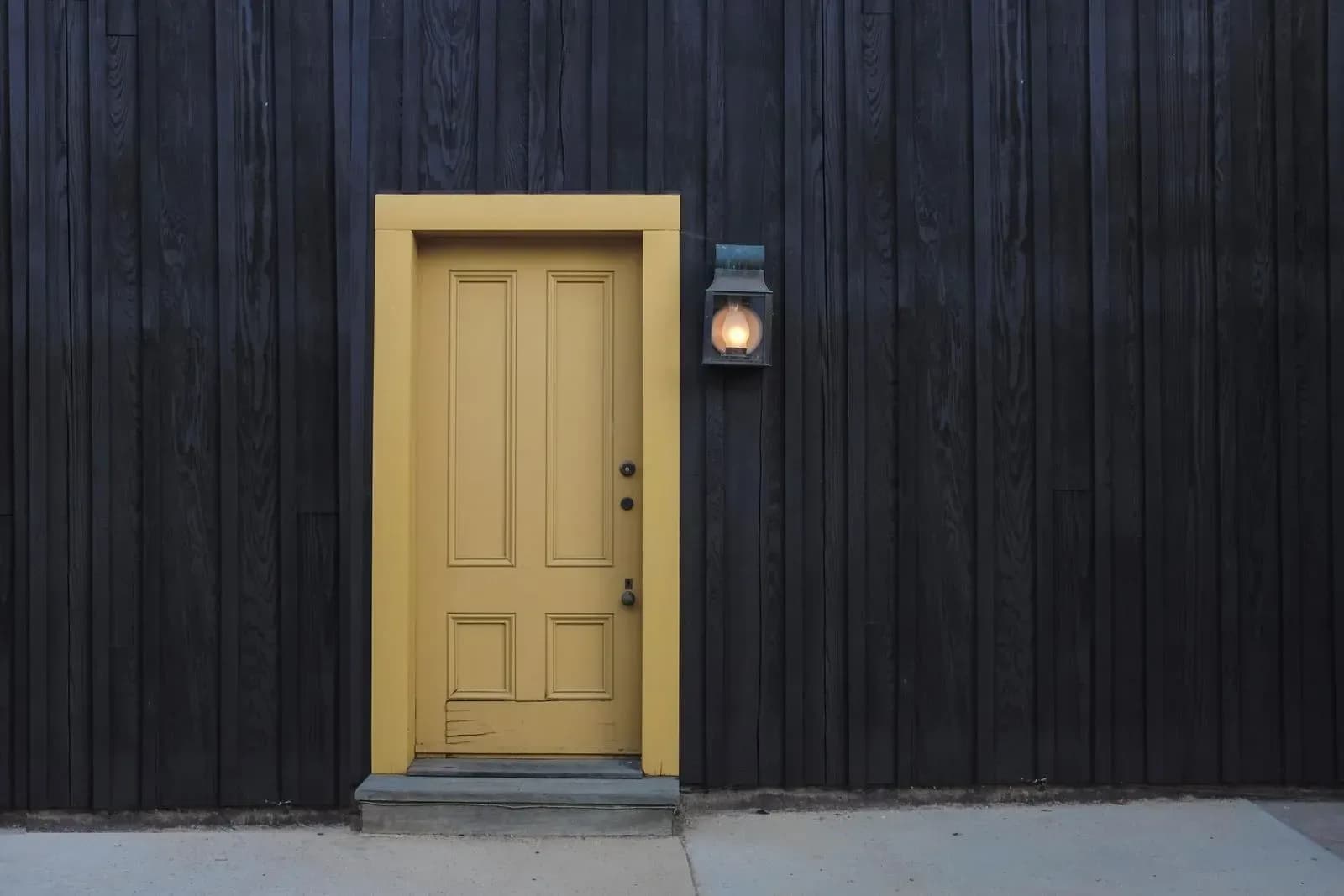

For most houses, replacing windows and doors is permitted development — no planning application needed, provided the new units are of a "similar appearance" to what the house would originally have had. The exceptions are where character is protected: conservation areas with Article 4 directions, listed buildings, flats, and new estates with planning conditions still attached. Knowing which bucket you are in before ordering saves real money and grief.
The ordinary house: permitted development
Like-for-like-ish replacement — new windows in the existing openings, of similar proportions and appearance — proceeds without an application in most cases. Changing material or colour is generally fine on an unprotected house; forming new openings, bays or much larger openings can engage planning and will engage Building Regulations regardless. Two universal caveats: check your deeds for restrictive covenants on new estates, and remember building control approval (via a competent-person scheme or an application) applies everywhere, planning or not.
Conservation areas and Article 4
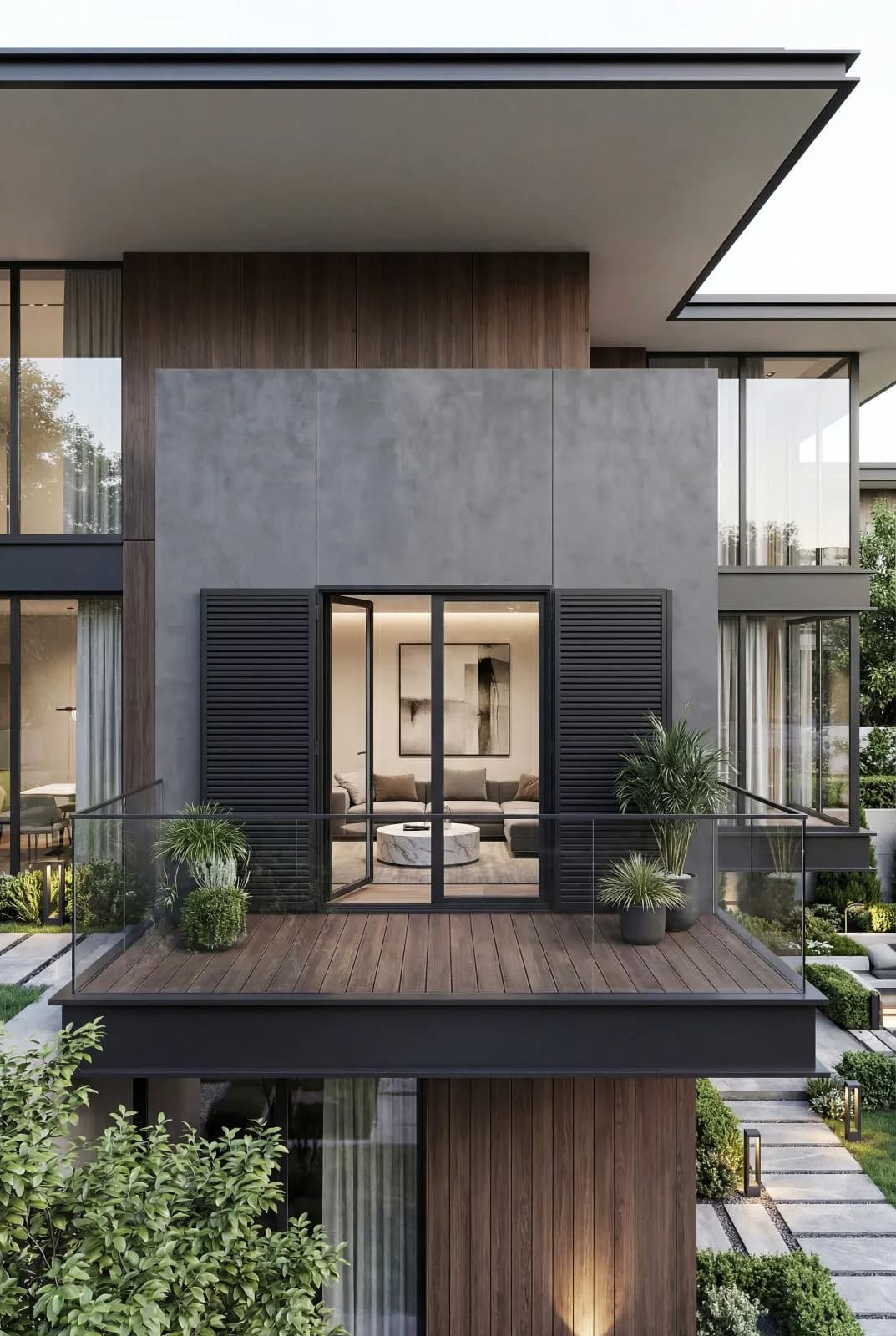
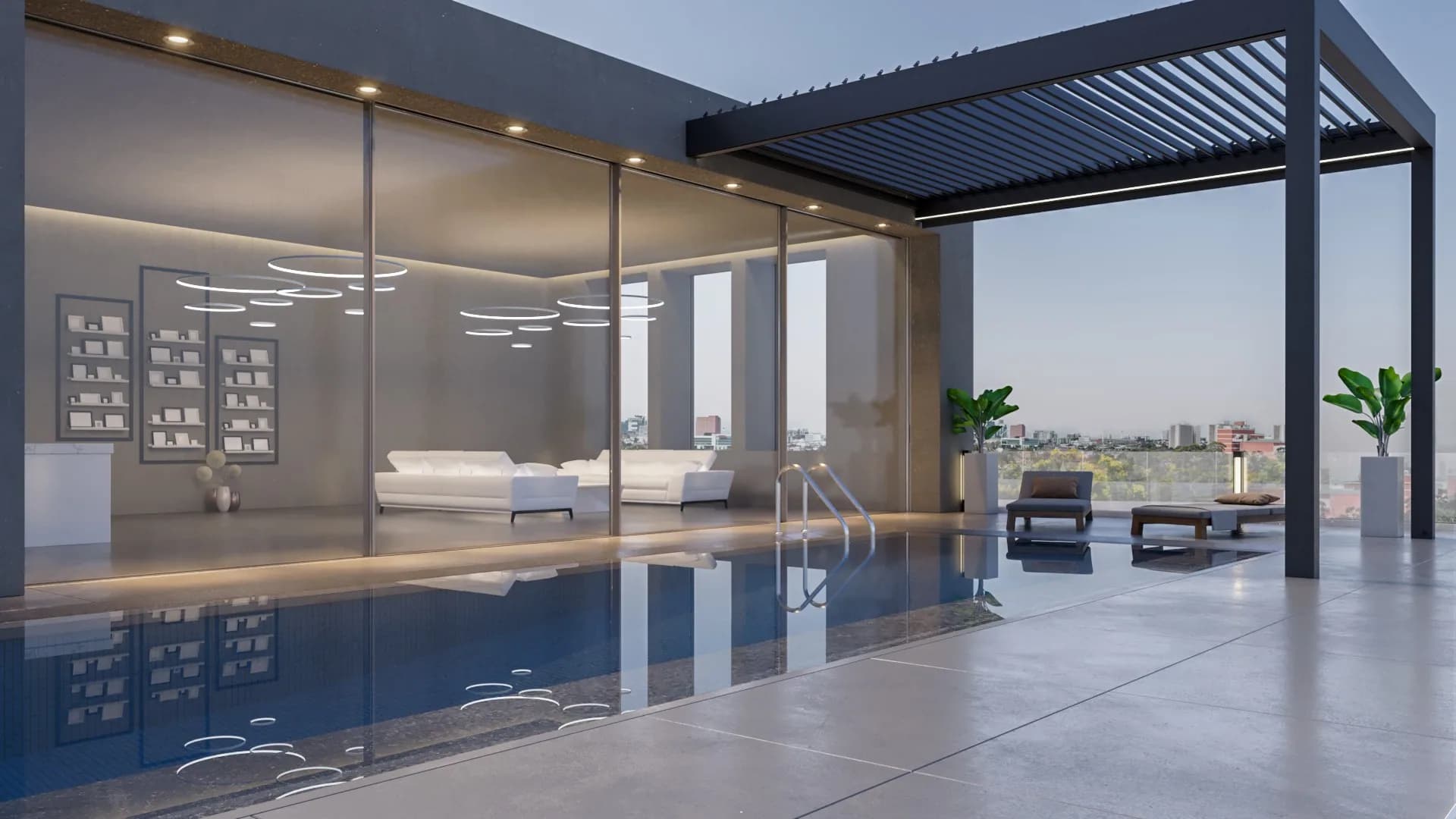
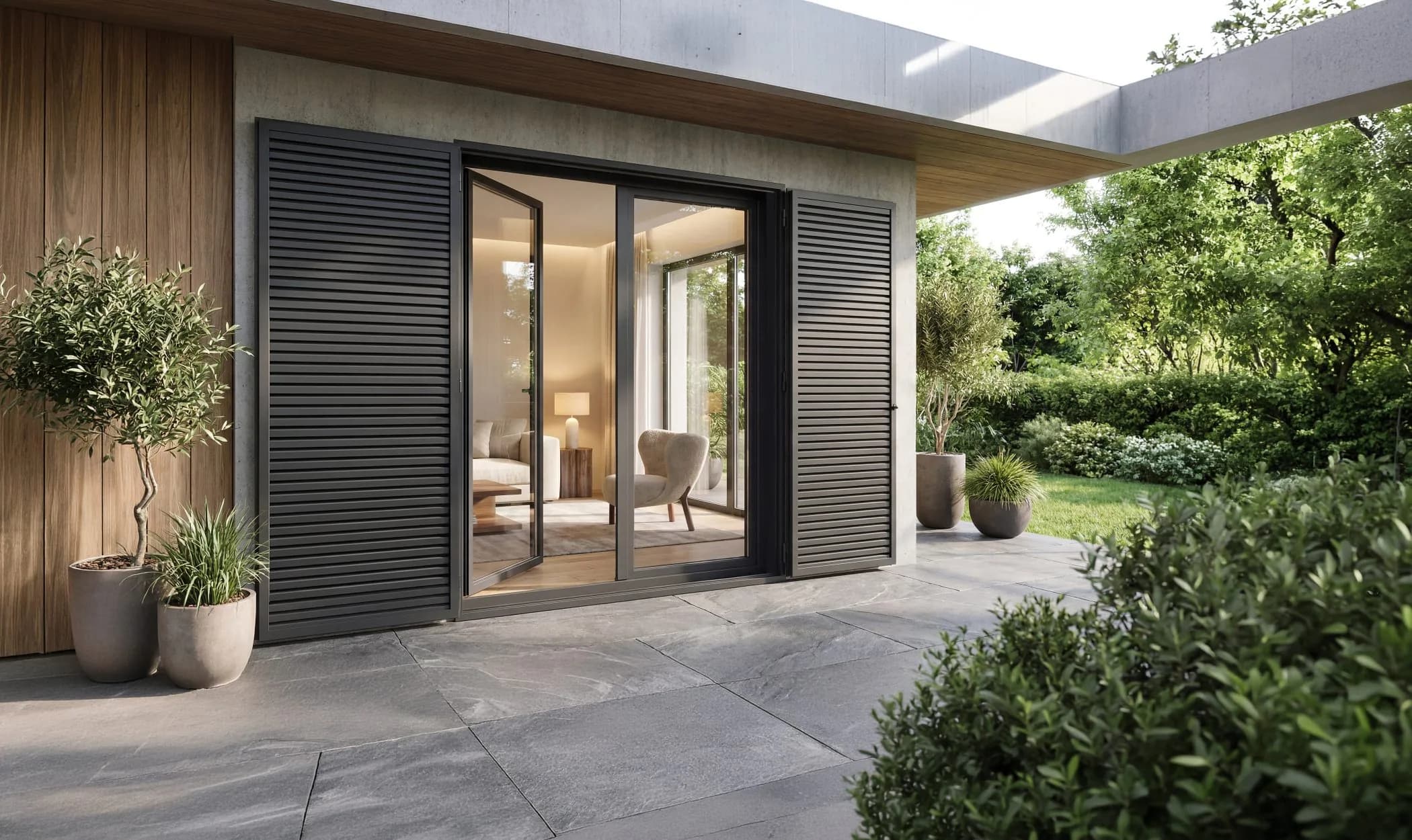
Being in a conservation area does not by itself remove your permitted development rights for windows on a house — but many conservation areas carry an Article 4 direction that does exactly that, typically for elevations facing the street. Where Article 4 applies, replacement windows need a planning application judged on appearance: proportions, glazing bars, sightlines and material all count. Slim-profile aluminium in heritage styles — our steel-look SV-6000 Urban or classically proportioned SV-6000 Porta Classic-line door — is regularly approved where chunky replacements would not be; supporting drawings help.
Listed buildings: different rules entirely
Listing protects the fabric itself. Replacing windows in a listed building needs listed building consent irrespective of planning permission, and carrying out works without it is a criminal offence. Councils often prefer repair over replacement; where replacement is justified, expect a conversation about profiles and glazing. Start with the conservation officer, not the order book.
Flats, maisonettes and leases
Flats have no permitted development rights for windows, so external alterations generally need planning permission — and the lease usually requires freeholder consent too, with buildings often wanting a uniform elevation. Factor both approvals into the programme.
The practical sequence
- Check the council's map for conservation areas and Article 4 directions; check listing separately.
- Ask us for elevations and section drawings of the proposed windows to support any application.
- Build approval time into the project — straightforward applications commonly run about eight weeks.
Send your postcode and photographs with your quote request and we will flag the likely consents alongside the prices.
This article is general guidance, not a project specification. Performance figures such as U-values depend on configuration and glazing, and your quotation states the tested values for your exact specification.
Get a Free Quotation
Send your sizes or drawings — itemised quotes usually within 2–3 working days.
Questions Answered
Do I need planning permission to replace my windows?
Can I fit aluminium windows in a conservation area?
What happens if windows are replaced without consent?

Written by
SIVAL Technical Team
Aluminium systems specialists
The SIVAL technical team shares practical, evidence-based advice on aluminium windows, doors and glazing — from U-values and Building Regulations to choosing the right system for your project.