


Noise through windows is a build-up problem, not a panes-count problem. What quietens a room is mass, asymmetry, acoustic interlayers and airtight seals — which is why a well-specified double-glazed window can outperform a casually specified triple. If traffic, trains or a flight path are wearing you down, the good news is that glazing is usually the weakest link in the wall, and upgrading it makes a difference you can hear on day one.
How sound gets through — and how it's stopped
Glass transmits sound by vibrating like a panel. Three tactics blunt it:
- Mass: thicker glass vibrates less. Stepping a pane from 4mm to 6mm or 10mm buys real decibels.
- Asymmetry: two different pane thicknesses (say 10mm outside, 6mm inside) stop the panes resonating at the same frequency, killing the coincidence dip that equal panes share.
- Damping: acoustic PVB interlayers in laminated glass turn vibration into heat. An acoustic laminate is the single biggest glazing upgrade for traffic noise.
Ratings are quoted as Rw (weighted sound reduction, in dB). Standard double glazing sits around Rw 29–31; asymmetric acoustic build-ups reach Rw values in the low-to-mid 40s. Every 10 dB is roughly a halving of perceived loudness.
The frame matters as much as the glass
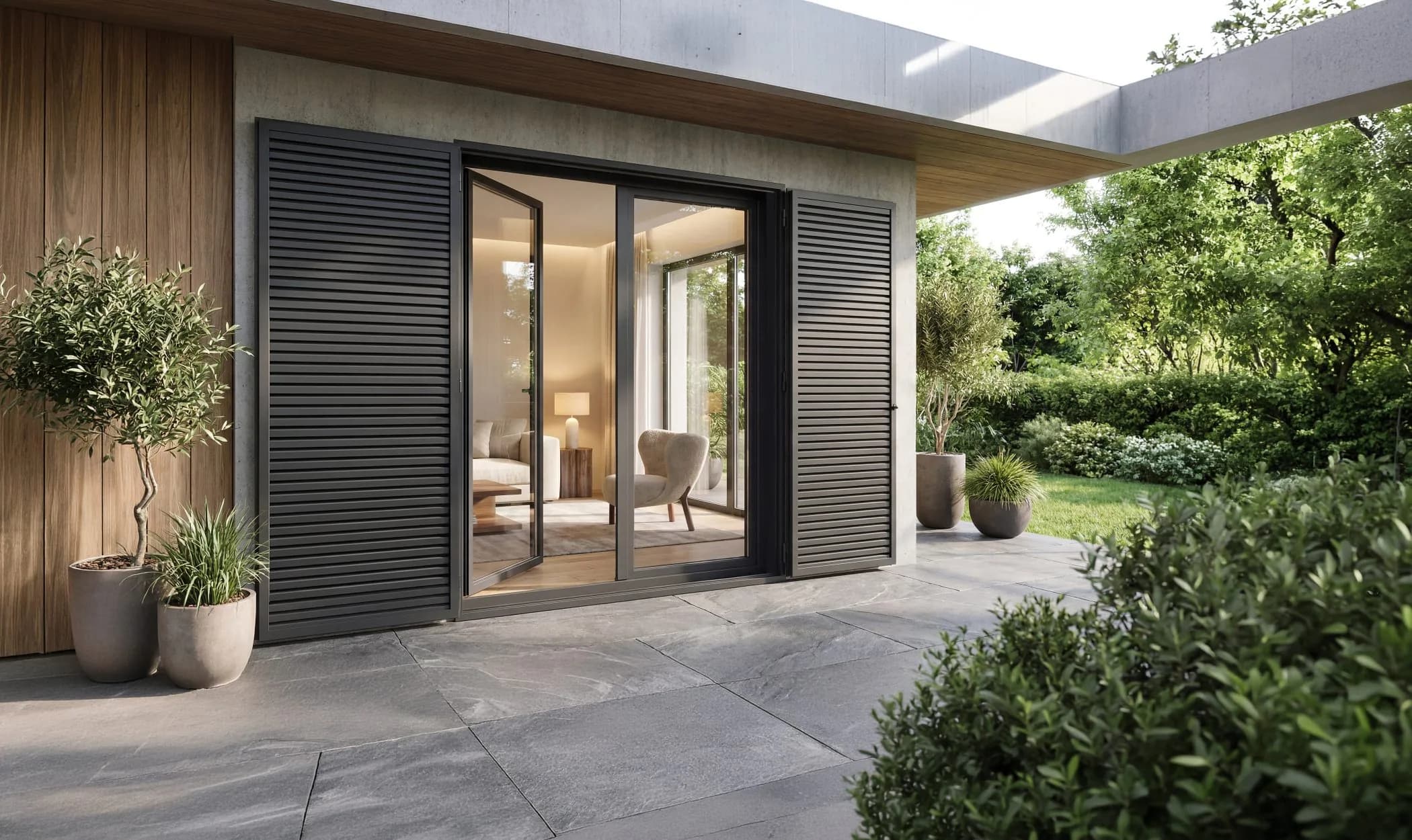
Sound is air movement, and air finds gaps. Multi-chamber aluminium profiles with continuous compression gaskets — and locking hardware that pulls sashes tight — are what let the glass do its work. This favours well-sealed casements and tilt-and-turns from our window range, and lift-and-slide doors, whose drop-onto-gasket closing seals better than brush-sealed formats. Trickle vents are a compromise: acoustic vent versions exist, or ventilation can be handled by other compliant means — worth discussing at specification, not after.
Realistic expectations
Glazing upgrades transform airborne noise — traffic hiss, voices, general urban wash. Low-frequency rumble (heavy lorries, bass) is harder physics and improves less dramatically. And glazing only fixes the window path: if noise also flows through vents, chimneys or thin walls, the room improves by the weakest path. An honest survey beats a heroic glass spec.
Specifying for your situation
Tell us the noise source and the rooms affected — "bedroom facing the A-road", "home office under the flight path" — and the quotation will pair an acoustic glazing build-up with the right frame and sealing. It costs nothing to ask through the quote form, and where noise is the driver we will say plainly which upgrades buy audible results and which are diminishing returns.
This article is general guidance, not a project specification. Performance figures such as U-values depend on configuration and glazing, and your quotation states the tested values for your exact specification.
Get a Free Quotation
Send your sizes or drawings — itemised quotes usually within 2–3 working days.
Questions Answered
Is triple glazing better than double for noise?
How much quieter will acoustic glazing make my room?
Do trickle vents ruin acoustic glazing?

Written by
SIVAL Technical Team
Aluminium systems specialists
The SIVAL technical team shares practical, evidence-based advice on aluminium windows, doors and glazing — from U-values and Building Regulations to choosing the right system for your project.